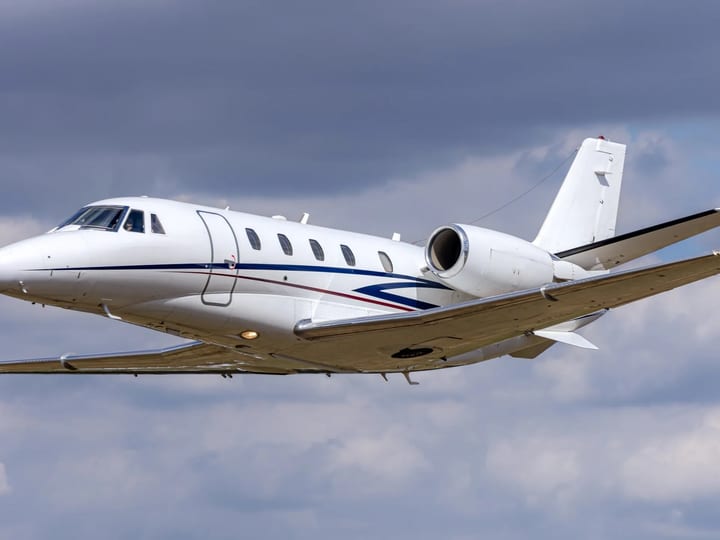
The people operating a private jet are one of its most important annual investments. A capable flight department protects safety, dispatch reliability, passenger service, schedule flexibility, and the long-term condition of the aircraft. It also creates a substantial fixed-cost commitment before the aircraft flies its first hour of the year.
Crew expense is broader than base salary. An ownership budget may need to include two or more pilots, a cabin attendant, payroll taxes, benefits, bonuses, recruiting, relocation, recurrent training, initial type-rating training, hotels, airline tickets, per diem, contract coverage, and the cost of keeping the aircraft staffed while an employee is away.
There is no reliable universal salary for a private jet captain or second-in-command. Compensation varies by aircraft, location, experience, qualifications, schedule, international exposure, additional duties, labor-market conditions, and the owner's service expectations. Training cost also depends on the aircraft type, provider, course, simulator availability, travel, and whether the crewmember is attending initial or recurrent training.
This guide explains how to build a complete crew and training budget without treating a generic salary figure as a binding market quote.
Start with the operating model
The appropriate crew structure depends on how the aircraft will be used. A two-pilot aircraft does not automatically require only two people on payroll. If the owner expects frequent travel, short-notice availability, long international missions, or continuous coverage, a flight department may need additional staffing or dependable contract support.
The planning discussion should address:
- Aircraft type and minimum required crew
- Expected annual hours, cycles, and trip days
- Domestic versus international operations
- Typical mission length and time-zone changes
- Overnight stays and extended trips
- Short-notice or on-call expectations
- Vacation, illness, medical leave, and training absences
- Whether cabin service is expected or operationally appropriate
- Whether the aircraft will be managed, chartered, or operated solely for the owner
- Additional responsibilities such as scheduling, safety management, maintenance coordination, record review, and vendor oversight
A staffing plan should support the real mission, not merely satisfy the minimum number of occupied cockpit seats on a normal trip.
Captain compensation reflects responsibility and scarcity
The captain is responsible for command decisions and safe operation of the aircraft. In a small flight department, the captain may also act as chief pilot, aviation manager, safety manager, scheduler, training coordinator, or maintenance liaison.
Compensation can be influenced by:
- Aircraft category, size, complexity, and type rating
- Total flight time and time in type
- International and oceanic experience
- Leadership and flight-department management duties
- Home-base location and local labor market
- Schedule predictability and days away from home
- Owner availability expectations
- Additional aircraft assignments
- Insurance-company experience requirements
- Benefits, bonus design, retirement contributions, and paid time off
An offer that appears competitive on base salary may still be weak when the schedule, benefits, relocation requirement, or management workload is considered. Conversely, a well-designed position with predictable time off and strong benefits may support retention even when another employer advertises a higher salary.
Use current compensation surveys, qualified aviation recruiters, aircraft-management firms, and recent comparable hires when setting a budget. Broad occupational wage statistics can provide context, but they do not replace aircraft-specific business-aviation market data.
Second-in-command expense is more than a lower salary
The second-in-command, or SIC, provides essential cockpit capacity and operational continuity. The role may be filled by a permanent employee, a rotating contract pilot, or another qualified member of a larger department.
Budget considerations include:
- Base salary or contract day rate
- Aircraft-specific qualification and recurrent training
- Benefits and payroll costs
- Travel to the home base or aircraft
- Minimum guarantees or cancellation terms for contractors
- Experience requirements imposed by insurance or company policy
- Upgrade planning and retention after the pilot becomes captain-qualified
A low-cost hire who quickly leaves after gaining time in type can create repeated recruiting, training, and schedule disruption. The complete economic comparison should include expected tenure and the cost of replacing the person, not only first-year salary.
Determine whether a cabin attendant belongs in the staffing plan
Some private aircraft and missions operate without a cabin attendant. Others benefit from or require dedicated cabin support because of aircraft configuration, passenger count, service expectations, safety policy, or the operating rules that apply.
A professional business-aviation cabin attendant may be responsible for safety equipment, emergency procedures, cabin preparation, food handling, passenger assistance, inventory, customs coordination, and service throughout the trip. Compensation depends on employment status, location, experience, schedule, training, and the complexity of the operation.
Owners generally choose among:
- A full-time cabin attendant
- A shared employee within a larger flight department
- Contract cabin attendants assigned by trip
- Cabin service performed without a dedicated attendant where appropriate
Contract staffing can be efficient for occasional demand, but availability and consistency may be limited during holidays, major events, or peak travel periods. A full-time employee creates predictable availability and service continuity but adds annual compensation, benefits, training, and leave-coverage expense.
Base salary is not total compensation
The annual budget should convert salary into total employer cost. Depending on the employment structure and jurisdiction, additional costs may include:
- Employer payroll taxes
- Medical, dental, vision, disability, and life insurance
- Retirement-plan contributions
- Paid vacation, holidays, and sick leave
- Performance or retention bonuses
- Uniforms, equipment, communications, and professional memberships
- Relocation or commuting assistance
- Recruiting, background checks, and pre-employment screening
- Workers' compensation and employment-practice expenses
- Administrative and human-resources support
A planning allowance expressed as a percentage of salary can be useful at the acquisition stage, but it must ultimately be replaced with actual benefit quotations and payroll assumptions. A contractor's invoice should not be compared directly with an employee's salary without considering taxes, benefits, availability, legal classification, and the services included.
Training is a recurring operational requirement
Pilot training is not a one-time acquisition expense. Initial aircraft qualification may be required when hiring a pilot who is not already qualified in type. Recurrent instruction, checking, currency, and operator-specific training continue throughout ownership.
For many turbojet and multi-pilot aircraft operated under Part 91, 14 CFR 61.58 establishes pilot-in-command proficiency-check requirements. Other operating rules, company policies, insurance requirements, and training programs may impose different or additional intervals and standards. The applicable requirement must be determined for the actual aircraft, crewmember, and operation.
Training expense may include:
- Initial type-rating or aircraft qualification course
- Recurrent pilot training and proficiency checks
- Second-in-command qualification or differences training
- Crew resource management
- International procedures and oceanic operations
- Rejected-takeoff and emergency-procedure training
- Upset prevention and recovery training
- Safety management and security training
- Cabin-attendant emergency, evacuation, fire, medical, and service training
- Company manuals and operation-specific indoctrination
FAA-approved Part 142 training centers may provide aircraft-specific curricula and simulator-based training. Owners should confirm that the selected program satisfies the regulatory, insurance, and internal standards applicable to their operation.
Initial and recurrent courses have different economics
Initial training is generally longer and more expensive than recurrent training. It may also require a crewmember to be away from the aircraft for a longer period. A newly acquired aircraft can therefore create a concentrated first-year training expense if both pilots need initial qualification.
Recurrent training is typically planned every year even when a specific regulatory provision permits a different cycle for part of the proficiency requirement. Many owners, management companies, insurers, and flight departments use annual aircraft-specific training as an operational standard.
When comparing course quotations, confirm:
- Exact aircraft model and qualification delivered
- Initial, recurrent, or differences curriculum
- Pilot-in-command or second-in-command track
- Simulator and instructor availability
- Checkride or proficiency-check fees
- Course materials and online prerequisites
- Extra simulator sessions or remedial training
- Cancellation and rescheduling terms
- Taxes and administrative charges
- Whether hotel, airfare, local transportation, and meals are excluded
The tuition line is only part of the training budget.
Training travel and absence create additional cost
A pilot attending training may require airfare, lodging, ground transportation, meals, and per diem. The aircraft may also need a qualified replacement during the absence.
Training-related costs can include:
- Course tuition and checking fees
- Airline tickets and baggage
- Hotel and local transportation
- Meals and per diem
- Salary paid during training
- Contract pilot coverage
- Schedule changes caused by simulator availability
- Repositioning or familiarization flights
- Additional sessions when a check is incomplete
If two pilots attend at the same time, the aircraft may be unavailable unless substitute crew are secured. Staggering training can preserve coverage, but it may increase travel or contract expense. The correct plan depends on the owner's schedule and tolerance for aircraft downtime.
Contract crew provide flexibility but need careful budgeting
Contract pilots and cabin attendants can cover vacations, illness, training, schedule peaks, delivery flights, or temporary staffing gaps. They may also be appropriate when utilization is low or the aircraft is awaiting permanent hires.
Contract expense can include:
- Daily rate or trip minimum
- Travel day charges
- Airline transportation and hotel
- Per diem and ground transportation
- Cancellation or short-notice premiums
- Holiday or international differentials
- Positioning time
- Additional insurance approval or documentation
Confirm qualifications, currency, time in type, medical status, insurance acceptance, references, and contractual responsibilities before assigning a crewmember. A person may hold the required certificate yet still fall outside an insurer's or operator's experience standards.
Contract staffing should be budgeted as an operational resource, not treated as an emergency expense that will always be available at a predictable rate.
Retention has a measurable ownership cost
Crew turnover can affect more than recruiting. A vacancy may reduce aircraft availability, increase contract usage, create another initial-training bill, and require the owner or management company to repeat background checks, onboarding, and operating familiarization.
Retention is supported by a complete employment proposition:
- Competitive total compensation
- Predictable scheduling where possible
- Meaningful time off
- Professional training and development
- Clear duties and decision authority
- Adequate staffing and fatigue management
- Safe maintenance and operating practices
- Respectful communication with the owner and management team
NBAA has identified personnel recruitment and retention as continuing business-aviation concerns. A budget that assumes stable salaries and uninterrupted staffing for many years should still include contingency for market movement and turnover.
Build the budget by role and by event
Separate recurring compensation from event-based training and staffing costs. This makes it easier to see what continues every year and what may be concentrated in the acquisition or hiring period.
| Cost category | Typical cost behavior | Budget basis |
|---|---|---|
| Captain and SIC salaries | Fixed annual | Current written compensation assumptions by role |
| Cabin-attendant salary | Fixed annual when employed | Staffing model and service expectations |
| Benefits and payroll burden | Fixed or salary-linked | Employer quotations and payroll analysis |
| Recurrent training | Recurring annual | Written provider quotations for each crewmember |
| Initial training | Event-driven | Hiring and acquisition plan |
| Training travel | Event-driven | Course location, duration, and travel policy |
| Contract coverage | Variable or contingency | Expected leave, training, and schedule peaks |
| Recruiting and relocation | Event-driven | Turnover and hiring plan |
The following example is an illustration, not a salary survey, employment recommendation, or provider quotation. It shows how easily total crew cost can exceed the sum of stated salaries.
| Illustrative annual budget item | Assumption |
|---|---|
| Captain base salary | $220,000 |
| Second-in-command base salary | $160,000 |
| Cabin-attendant base salary | $100,000 |
| Benefits and employer costs at 30% of salary | $144,000 |
| Recurrent flight-crew training | $65,000 |
| Cabin safety and service training | $7,000 |
| Training travel and lodging | $12,000 |
| Contract coverage and recruiting contingency | $25,000 |
| Illustrative total | $733,000 |
This example assumes three full-time crewmembers. It does not include trip-specific crew hotels, per diem, airline positioning, or ground transportation, which belong in the variable operating budget. It also does not include a separate director of aviation, scheduler, dispatcher, maintenance manager, or administrative employee.
Changing the staffing model changes the result. Removing the full-time cabin-attendant role may reduce fixed compensation but add contract expense on individual trips. Hiring a pilot who requires initial training may add a significant first-year event cost. A larger or more complex international operation may require additional employees and substantially more coverage.
Avoid double counting crew expenses
Crew expense often appears in multiple estimates. A management proposal may include administrative staffing but exclude pilot salaries. A cost calculator may include crew salary while excluding benefits, recurrent training, or contract coverage. A charter-management projection may allocate certain crew costs between owner and charter activity.
Before combining estimates, label each line as:
- Included in salary and benefits
- Included in the management fee
- Included in a training quotation
- Charged to individual trips
- Reimbursed or allocated under a charter arrangement
- Excluded and requiring a separate reserve
This reconciliation prevents a cost from being omitted or counted twice.
Questions to ask before acquiring the aircraft
Crew planning should begin before closing, not after delivery. Ask:
- How many pilots are required by certification, regulation, insurance, and company policy?
- How many employees are needed to provide the owner's expected schedule?
- Are qualified local pilots available for this aircraft type?
- Will the owner employ the crew directly or use a management company?
- Does either pilot require initial training?
- What recurrent-training standard will be used?
- Is a cabin attendant expected or required for the mission?
- Who covers vacations, illness, training, and overlapping trips?
- Which crew costs are fixed and which are charged by trip?
- What benefits, bonus, retirement, and relocation assumptions are included?
- Are crew salaries included in the broader ownership-cost estimate?
- How will compensation be reviewed as the market changes?
An aircraft that is affordable to acquire but difficult to staff may not meet the owner's availability expectations. Crew-market conditions should be part of aircraft selection and ownership planning.
Integrate crew cost with the complete ownership budget
Crew salaries and training are only one part of the ownership model. They should be evaluated alongside hangar, insurance, management, subscriptions, calendar maintenance, fuel, engine and airframe reserves, airport fees, and trip support.
For the larger cost framework, see How Much Does It Cost to Own a Private Jet?
For the expenses that continue even when the aircraft is parked, see Fixed Annual Expenses of Private Jet Ownership
For expenses created by flight activity, see Variable Operating Expenses of Private Jet Ownership
An independent acquisition advisor can help align the proposed aircraft with the staffing model, operational demands, and complete annual budget before the buyer commits.
Contact Bencasso Air GroupFrequently asked questions
How much do private jet pilots earn?
There is no single private jet pilot salary. Compensation varies by aircraft type, captain or second-in-command role, experience, time in type, location, schedule, management duties, international requirements, benefits, and current labor-market conditions. Use recent aircraft-specific compensation data and qualified recruiting advice rather than a broad average.
How many pilots should a private jet owner employ?
The minimum flight crew does not necessarily provide reliable year-round coverage. Many two-pilot operations employ more than two qualified pilots or maintain contract coverage for vacations, illness, training, overlapping travel, and demanding schedules. The correct number depends on the aircraft, utilization, operating rules, and owner expectations.
How often do private jet pilots complete recurrent training?
Many business-aviation operations schedule aircraft-specific recurrent training annually, but the legal and operational requirements depend on the aircraft, role, and operating rules. For applicable Part 91 operations, 14 CFR 61.58 includes 12-calendar-month and 24-calendar-month pilot-in-command proficiency requirements. Insurance and company standards may be more demanding.
Are pilot training expenses included in salary?
Usually they should be budgeted separately. Training tuition, proficiency checks, airfare, hotels, local transportation, meals, per diem, and replacement crew can all create costs beyond salary. Employment agreements may also address repayment or service commitments, subject to applicable law and professional review.
Can contract pilots replace full-time crew?
Contract pilots can be effective for low utilization, temporary needs, training coverage, or schedule peaks. They do not guarantee availability, consistency, or insurance acceptance. Owners should compare the full contract cost and operational risk with the continuity and fixed expense of permanent employees.
Conclusion
Crew salaries and training costs should be built from the actual aircraft and operating plan. The budget must identify each role, the coverage required, total employer compensation, initial and recurrent training, travel, contract support, and turnover contingency.
The lowest salary assumption is not necessarily the lowest-cost staffing strategy. Stable, qualified, properly trained crew protect safety, aircraft availability, passenger service, and the owner's time. A complete ownership analysis treats those outcomes as central requirements rather than incidental overhead.
Disclaimer
This article provides general educational information and illustrative budgeting examples. It is not legal, tax, employment, regulatory, insurance, safety, accounting, or financial advice and does not provide current salary or training quotations. Requirements and costs vary by aircraft, operation, jurisdiction, provider, insurer, and individual circumstances. Obtain current written proposals and advice from qualified aviation, legal, tax, insurance, human-resources, and training professionals before making decisions.