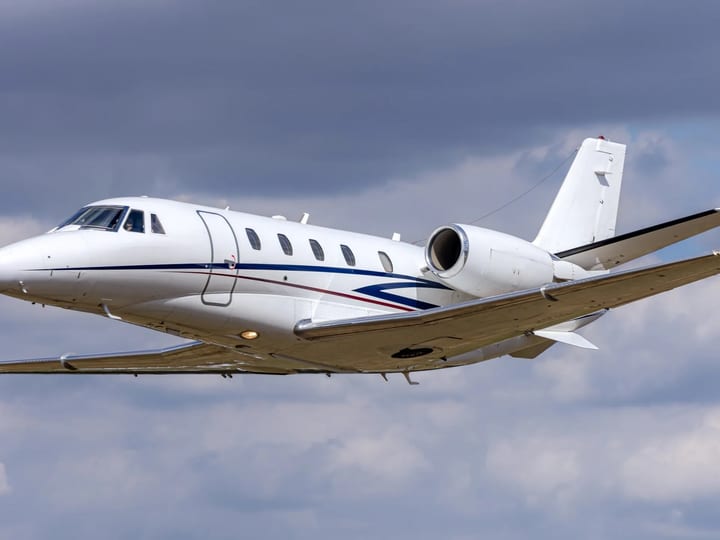
Every flight creates expenses. Fuel is consumed, maintenance exposure accumulates, engine and auxiliary-power-unit programs accrue charges, and the aircraft may incur landing, handling, parking, navigation, catering, deicing, and crew-travel costs.
These are variable operating expenses. Unlike crew salaries, hangar, insurance, and other largely fixed commitments, variable expenses change with flight hours, cycles, destinations, and trip complexity. They are the part of the ownership budget most directly affected by how and where the aircraft flies.
A useful estimate must go beyond a single published cost-per-hour number. It should identify what the hourly figure includes, whether it uses airborne or block time, how maintenance reserves are calculated, and which trip expenses are billed outside the rate. Without those assumptions, two apparently comparable estimates may measure different things.
This guide explains the principal variable operating expenses of private jet ownership and shows how to build a transparent flight-hour and trip budget.
What makes an aircraft expense variable
A variable expense increases because the aircraft is flown or a trip is operated. Some costs accumulate by flight hour, others by cycle or landing, and others by trip or destination.
Common variable categories include:
- Fuel and into-plane charges
- Engine and auxiliary-power-unit program charges or reserves
- Airframe maintenance labor, parts, and reserves
- Tires, brakes, and cycle-driven components
- Landing, handling, parking, and navigation fees
- Crew hotels, airline positioning, ground transportation, and per diem
- Catering, cabin supplies, cleaning, and lavatory service
- Deicing and cold-weather support
- International permits, customs coordination, overflight fees, and trip planning
- Repositioning and recovery flights
The boundary between fixed and variable is not always exact. A maintenance program may have a monthly minimum plus an hourly charge. A connectivity contract may include a base subscription and usage fees. A management agreement may apply trip-support or charter-related charges in addition to its monthly fee.
Classify each expense according to the actual contract and operating plan rather than forcing every line into a generic category.
Fuel is visible but frequently misunderstood
Fuel is often the largest variable expense, but a reliable estimate requires more than multiplying a brochure fuel-burn figure by a national price.
The calculation should consider:
- Fuel burn during taxi, climb, cruise, descent, and auxiliary-power-unit use
- Mission length and expected block time
- Payload, weather, winds, altitude, and routing
- Tankering decisions and the cost of carrying extra fuel
- Airport retail price and into-plane fees
- Contract discounts, taxes, and minimum-uplift requirements
- Sustainable aviation fuel availability and pricing where applicable
Short trips can produce a higher fuel cost per flight hour because taxi and climb represent a larger share of the mission. Long-range flights may require carrying additional fuel, which adds weight and can affect consumption.
The U.S. Energy Information Administration publishes Gulf Coast kerosene-type jet-fuel spot prices. That series is useful for understanding wholesale market movement, but it is not the retail price an owner pays at a particular airport. The final invoice may include airport economics, transportation, into-plane service, taxes, margins, contract terms, and handling arrangements.
Use current written fuel quotes from the home base and frequent destinations. Test a base case and a higher-price case rather than assuming one price will remain constant throughout the year.
For a complete breakdown of how fuel burn, delivered Jet A pricing, block time, airport economics, contract programs, taxes, and international uplift combine, see Private Jet Fuel Costs
Engine and APU costs must be included
Engines and auxiliary power units create expense as hours and cycles accumulate. Owners may pay an hourly program rate, fund an internal reserve, or accept the future cash exposure directly.
Program coverage can make costs more predictable, but it does not mean every event is covered. Review:
- Hourly and cycle charges
- Minimum annual utilization or monthly minimums
- Rate escalation
- Enrollment or transfer adjustments
- Covered parts and labor
- Life-limited components
- Rental-engine or loaner provisions
- Foreign-object damage and corrosion exclusions
- Recommended versus mandatory work
- Termination and transfer requirements
An aircraft outside a program still incurs engine economics. A low operating estimate that excludes shop-visit reserves may look attractive until a major event falls inside the ownership period.
Cycle exposure matters. Frequent short trips can create more takeoffs, landings, starts, and thermal cycles for the same number of flight hours. Compare both expected hours and cycles when evaluating two missions or aircraft.
Airframe maintenance varies by hour, cycle, and event
Airframe maintenance expense includes scheduled inspections, consumable parts, labor, discrepancies, and unscheduled repairs attributable to use. Some tasks are hourly, some are cycle-driven, and others occur by calendar and belong in the fixed or calendar-maintenance budget.
A variable maintenance estimate should account for:
- Hourly and cycle-based inspections
- Tires and brakes
- Filters, fluids, and routine servicing
- Component removals and exchanges
- Dispatch discrepancies
- Unscheduled maintenance
- Mobile repair and aircraft-on-ground support
- Maintenance positioning flights
- Parts freight and customs costs
An hourly reserve is a budgeting tool, not a guarantee. Actual maintenance expense rarely arrives in even monthly increments. The reserve should be tested against the aircraft's inspection schedule, reliability history, program coverage, and expected ownership period.
The FAA requires owners and operators to maintain applicable maintenance records. Accurate time, cycle, inspection, and component-status records are essential for airworthiness, budgeting, due diligence, and resale.
For a complete treatment of inspections, engine programs, maintenance reserves, records, and downtime, see Private Jet Maintenance, Inspections and Engine Programs
Airport charges depend on the itinerary
Landing, handling, parking, facility, security, and infrastructure fees can vary sharply by airport, aircraft weight, arrival time, length of stay, and service provider. Some fixed-base operators waive or reduce handling charges when a specified amount of fuel is purchased. Others impose facility or peak-event fees.
Airport-related expenses can include:
- Landing and infrastructure fees
- FBO handling and facility charges
- Ramp or overnight parking
- Hangar away from base
- Security and after-hours service
- Ground power, towing, potable water, and lavatory service
- Passenger and crew transportation
- Slot, reservation, or prior-permission support
A generic hourly estimate may allocate an average amount, but a trip budget should use the actual itinerary. A high-cost destination, extended stay, or special event can produce fees far above the annual average.
When comparing airports, include the effect on ground transportation and mission time. A lower-fee airport farther from the destination may not provide the best complete result.
Crew travel is separate from crew compensation
Pilot and cabin-attendant salaries are generally fixed expenses. Hotels, airline tickets, rental cars, per diem, visas, and positioning associated with a particular trip are variable.
Crew-travel expense depends on trip duration, location, staffing, duty time, and whether the aircraft remains with the passengers. Long international missions may require augmented crew. One-way owner travel may require the aircraft and crew to reposition, remain away from base, or return empty.
Budget for:
- Hotels and per diem
- Airline positioning and recovery
- Rental cars and local transportation
- Visas, vaccinations, and destination requirements
- Additional or relief crew
- Contract crew for schedule coverage
- Extended-stay and peak-event pricing
The lowest flight-hour estimate may omit crew travel entirely. Confirm whether the number includes only direct aircraft expense or the complete cost of operating the mission.
Catering and cabin services vary with the trip
Catering can range from simple beverages and snacks to complex meal service. Cost depends on passenger count, airport, special requests, timing, and whether an outside caterer or fixed-base operator supplies the order.
Variable cabin expenses may include:
- Passenger and crew catering
- Ice, beverages, and consumable supplies
- Cabin cleaning and detailing
- Laundry and linens
- Lavatory and potable-water service
- Special equipment or pet preparation
- Usage-based connectivity charges
Last-minute orders, remote airports, and international destinations can add delivery or coordination fees. Cabin service should be planned around the owner's actual expectations rather than a token allowance that is routinely exceeded.
Deicing can materially change a winter trip
Deicing expense depends on weather, aircraft size, contamination, fluid type, application time, local pricing, and whether the aircraft must be treated more than once. It can be difficult to predict before departure.
The annual budget should include a weather-dependent allowance if the aircraft regularly operates from cold-weather airports. Trip approvals should also consider hangar availability, departure timing, and the risk that delay leads to another application.
Deicing is an example of why a variable budget needs contingency. The trip may be routine, yet weather can produce a large unplanned invoice.
International operations add mission-specific costs
International trips can require permits, overflight authority, customs and immigration coordination, navigation fees, security, ground handling, and specialized trip support. Requirements and pricing vary by country and itinerary.
Possible expenses include:
- Overflight and navigation charges
- Landing permits and airport slots
- Customs, immigration, and agricultural processing
- International handling agents
- Security and ground transportation
- Flight planning and weather support
- Communication and data services
- Visas and crew documentation
- Fuel-release coordination
- Credit, currency, and payment support
An owner flying primarily domestic missions should not carry the same assumption as an operation with frequent international travel. The budget should reflect the intended geography and use recent trip quotes for representative destinations.
Repositioning changes the true cost of a trip
An aircraft may fly without the owner or principal passengers in order to begin or complete a mission. These empty or repositioning legs consume fuel, maintenance, crew time, and airport services just like occupied legs.
Repositioning can occur when:
- The aircraft returns to its home base after a one-way trip
- Crew duty or maintenance requires a different location
- The aircraft is moved to avoid weather or parking restrictions
- A charter arrangement positions the aircraft for another customer
- The owner's departure and return airports differ
Trip comparisons should include all aircraft movement, not only occupied segments. A one-way mission that appears short may create a substantially larger operating footprint once positioning is included.
Charter revenue may offset some ownership expense, but it introduces availability, wear, tax, regulatory, contractual, and market considerations. Do not treat projected charter revenue as guaranteed.
Define the hour used in the calculation
Cost-per-hour figures can be misleading when they use different measures of time.
Common measures include:
| Time measure | General meaning | Why it matters |
|---|---|---|
| Airborne time | Time from takeoff to landing | Often lower than block time and may be used for certain technical records |
| Block time | Time from aircraft movement before departure until stopping after arrival | Captures taxi and ground operation and is often closer to trip billing |
| Engine or APU time | Equipment-specific recorded time | May determine program charges or maintenance intervals |
If one source quotes fuel burn per airborne hour while another divides trip cost by block hours, the numbers are not directly comparable. Record the basis used for each cost line and convert assumptions consistently.
Cycles should be modeled separately. Two operations can fly the same annual hours but accumulate very different numbers of takeoffs and landings.
An illustrative variable cost model
The following example shows how variable expenses can be organized for a professionally managed midsize jet. It is an illustration, not a quote, market average, or budget for a particular aircraft.
| Variable planning line | Illustrative cost per flight hour |
|---|---|
| Fuel and into-plane charges | $1,560 |
| Engine and APU programs or reserves | $725 |
| Airframe maintenance and consumables | $425 |
| Airport, handling, parking, and navigation | $450 |
| Crew travel, catering, and cabin services | $330 |
| Deicing, international, and variable contingency | $250 |
| Illustrative variable cost per flight hour | $3,740 |
Using the same assumptions:
| Annual flight hours | Illustrative variable annual expense |
|---|---|
| 100 | $374,000 |
| 200 | $748,000 |
| 300 | $1,122,000 |
These totals exclude fixed annual expenses, acquisition cost, financing, depreciation, taxes, major upgrades, and disposition. See Fixed Annual Expenses of Private Jet Ownership for the costs that continue largely regardless of utilization.
For a complete ownership model combining fixed, variable, maintenance, capital, and disposition costs, see How Much Does It Cost to Own a Private Jet?.
Replace averages with aircraft-specific inputs
A variable-cost forecast should be created before selecting an aircraft and refined when a specific candidate enters due diligence.
Obtain or document:
- Mission-specific fuel burn and block-time assumptions
- Current fuel quotes for the home base and frequent destinations
- Engine and APU program terms and rates
- Airframe maintenance forecast and reserve methodology
- Expected annual hours and cycles
- Representative airport and handling quotes
- Crew-travel assumptions
- Catering and cabin-service expectations
- International and winter-operation frequency
- Repositioning associated with the travel pattern
- A contingency for unscheduled events and price escalation
Test the model at different utilization levels and fuel prices. Also test a mission mix with more short trips, because cycle-driven expense and ground charges may increase even if total annual hours remain unchanged.
The purpose is not to force every future trip into one hourly rate. It is to expose which costs are sensitive to flying and which assumptions can change the ownership decision.
What are the main variable expenses of owning a private jet?
The principal variable expenses commonly include fuel, engine and auxiliary-power-unit charges or reserves, airframe maintenance, tires and brakes, landing and handling fees, crew travel, catering, cleaning, deicing, international trip support, and repositioning. The mix depends on the aircraft and mission.
How is private jet variable cost per hour calculated?
Add the costs that accrue with flight time and trips, then divide them by a consistently defined hour such as block time or airborne time. The calculation should disclose fuel price, fuel burn, maintenance coverage, annual hours, cycles, and which trip expenses are included or excluded.
Are engine maintenance programs included in operating-cost estimates?
Sometimes. Some estimates include hourly engine and APU program charges or reserves, while others exclude them. Review coverage, minimums, escalation, enrollment adjustments, exclusions, and whether major events outside the program require a separate reserve.
Why do short private jet trips cost more per hour?
Taxi, climb, handling, landing, and cycle-driven expenses represent a larger portion of a short trip. Short missions may therefore have a higher effective cost per hour even though the total trip cost is lower than a long flight.
Do empty repositioning flights count as variable operating expenses?
Yes. Repositioning consumes fuel, maintenance exposure, crew time, and airport services even when no principal passengers are aboard. A complete trip analysis includes every aircraft leg required to perform the mission.
Variable costs should follow the real mission
A generic hourly figure can help with early planning, but it cannot replace an aircraft-specific model. The buyer should understand how fuel, maintenance, cycles, airport selection, crew logistics, weather, international requirements, and repositioning interact across the expected travel pattern.
Bencasso Air Group helps buyers define the mission, compare suitable aircraft, and evaluate the operating assumptions that should guide an acquisition.
Read Purchase Price Versus True Ownership Cost to see how operating expenses affect the multiyear economic result.
If you are considering a private aircraft purchase, contact Bencasso Air Group for a confidential discussion about mission requirements, utilization, and ownership economics.
Contact Bencasso Air GroupImportant information
This article provides general information and illustrative calculations. It is not a quote, appraisal, forecast, or legal, tax, regulatory, financing, insurance, maintenance, accounting, or investment recommendation. Actual expenses depend on the aircraft, records, condition, fuel market, destinations, weather, staffing, ownership structure, intended use, utilization, contracts, and other facts. Prospective owners should obtain current aircraft-specific proposals and advice from qualified aviation counsel, tax advisers, technical specialists, insurance professionals, lenders, and other advisers as appropriate.